Imagine the sinking feeling of finishing a meticulous repair, only to realize a stray bead of “unbreakable” liquid has cured directly onto a chrome surface or an expensive aluminum part. Because epoxy is a thermosetting polymer designed to form a permanent, three-dimensional molecular network through cross-linking, it doesn’t just sit on the surface—it bonds ionically and mechanically. If you are currently staring at a stubborn spill and wondering how to remove epoxy resin from metal, you are dealing with one of the toughest adhesives in modern engineering. This guide will walk you through professional techniques to reclaim your metal surfaces without causing irreversible damage.

The Science of the “Unbreakable” Bond
To successfully get epoxy resin off metal surfaces, you must understand what you are fighting. Unlike standard glues that dry by evaporation, epoxy undergoes an exothermic chemical reaction called polymerization. Once cured, it will not remelt like a simple plastic; it becomes a rigid, durable solid that is resistant to most common solvents.
Metal is a dense, non-absorbent substrate, which is good news for removal. Unlike wood, which can “steal” heat or release air bubbles that complicate the bond, metal provides a stable surface where targeted removal methods can be highly effective. Whether you need to remove dried epoxy resin from metal tools or large industrial pipes, the following methods leverage chemistry and physics to break the bond.
Method 1: The “Fire and Ice” Strategy
Temperature is the most effective way to exploit the differences between metal and polymer.
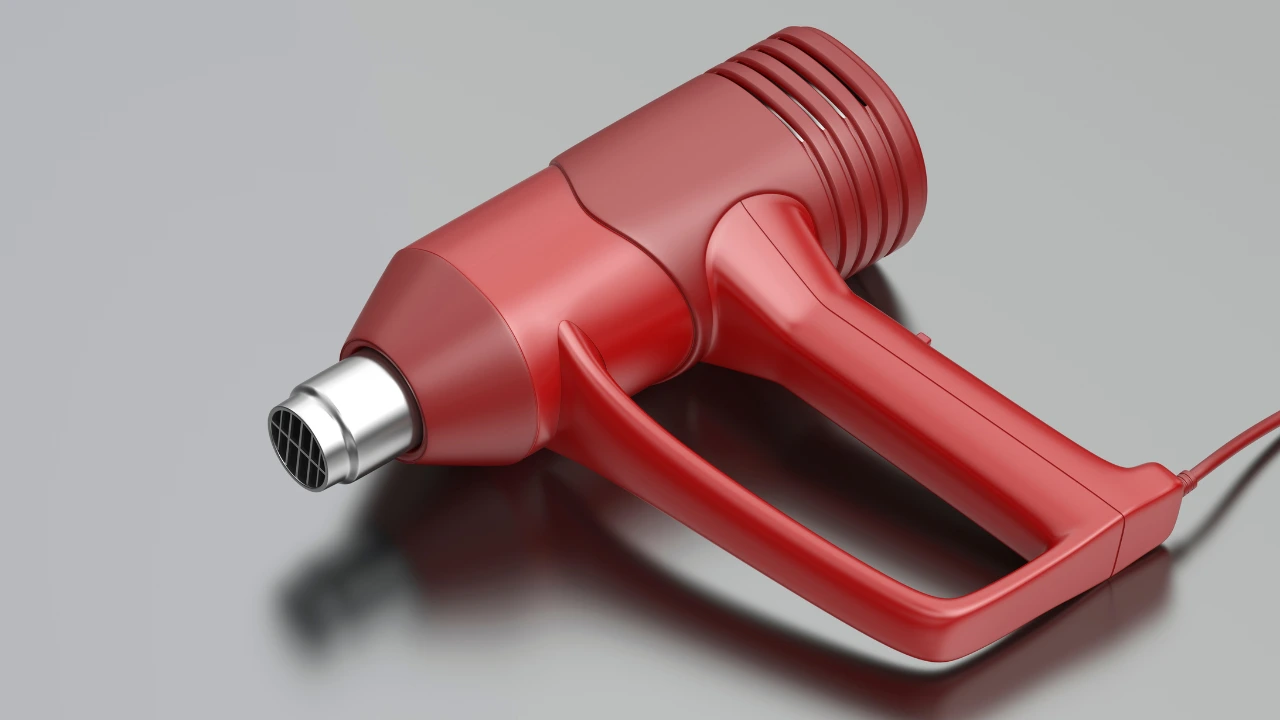
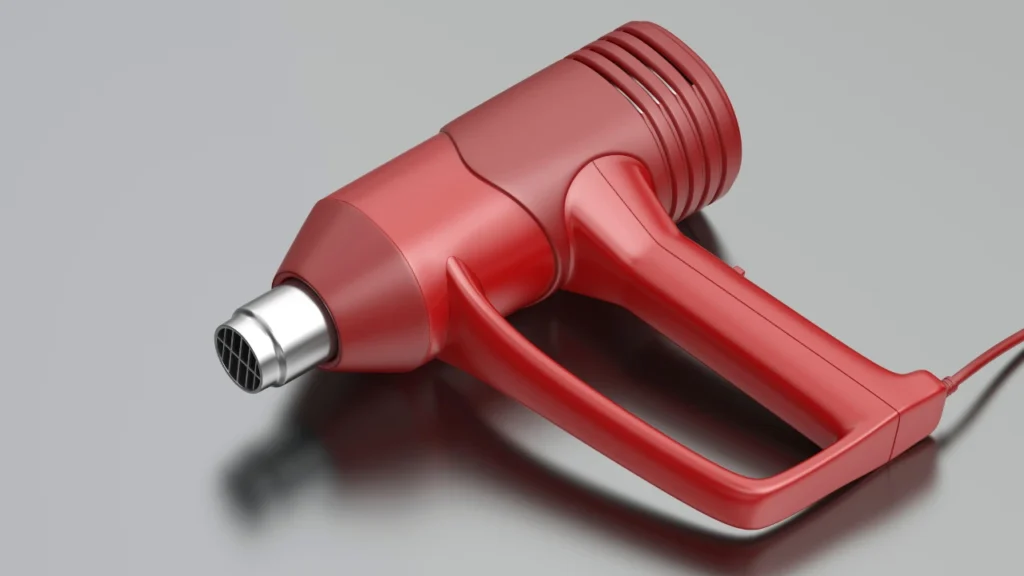
- The Heat Technique: Every epoxy has a Glass Transition Temperature (Tg). When heated beyond this point, the resin softens and becomes pliable. You can use a heat gun set to approximately 90°C (194°F) to target the area until the resin is soft enough to scrape away with a plastic or soft metal tool. For faster results on heavy-duty parts, a torch can be used, though this carries a higher risk of damaging paint or tempering the metal.
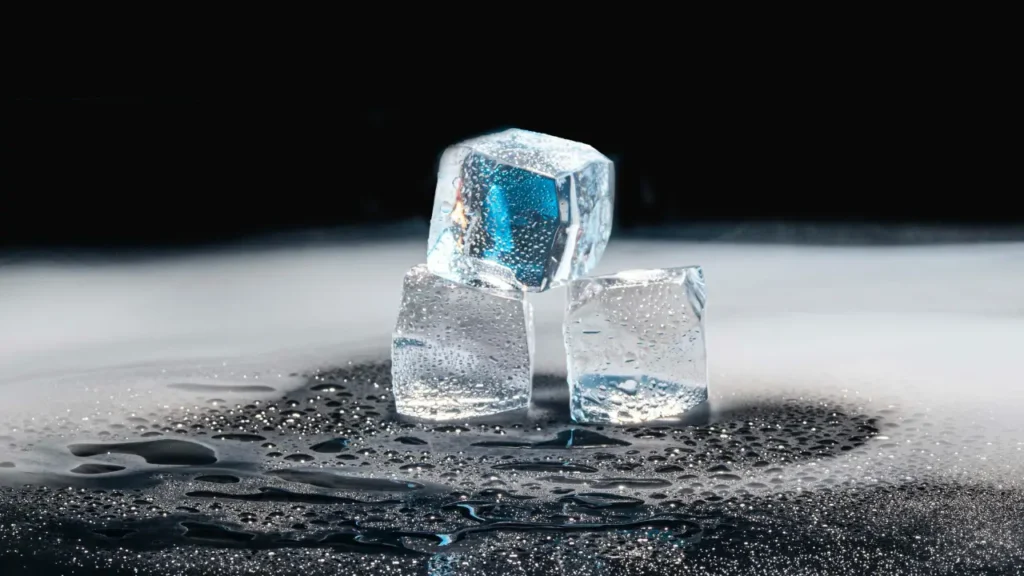
- The Freezer Method: This is one of the best ways to remove epoxy from metal small parts. Metal and epoxy expand and contract at different rates. By placing the item in a freezer, the stress caused by the thermal contraction can cause the bond to fail, allowing you to “pop” the epoxy off with a light tap or a chisel.
Method 2: Chemical Solvents and Softeners
When heat is too risky, chemicals provide a targeted alternative for removing epoxy resin from metal pipes or delicate parts.
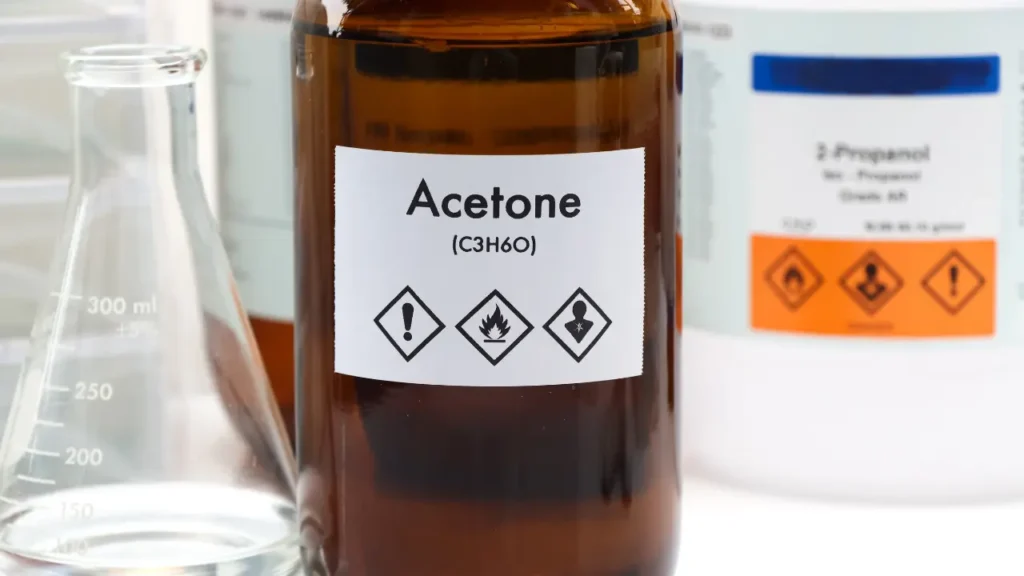
- Acetone (Nail Polish Remover): This is the preferred solvent for many DIYers. Soaking a metal part in acetone for 15 to 30 minutes will often soften the resin enough for scraping. For larger objects, wrap them in acetone-soaked paper towels and cover them with aluminum foil to prevent evaporation.
- Methylated Spirits or Isopropyl Alcohol: These are excellent for removing old epoxy resin from metal that hasn’t fully reached maximum hardness, though they require a longer soak time than acetone.
- Specialized Removers: Products like MG Chemicals 8309 are designed for full submersion, while gel-based removers like 8310A allow for targeted application. These are biodegradable and safe for metals but require several hours to penetrate high-grade, two-part epoxies.
Method 3: Mechanical Force and Precision Scraping
Sometimes, simple methods to remove epoxy from metal involve old-fashioned elbow grease.
- Scraping: Use a razor blade, chisel, or a specialized metal scraper. The trick is to work the tool between the epoxy and the metal substrate to pry it away rather than just shaving the top.
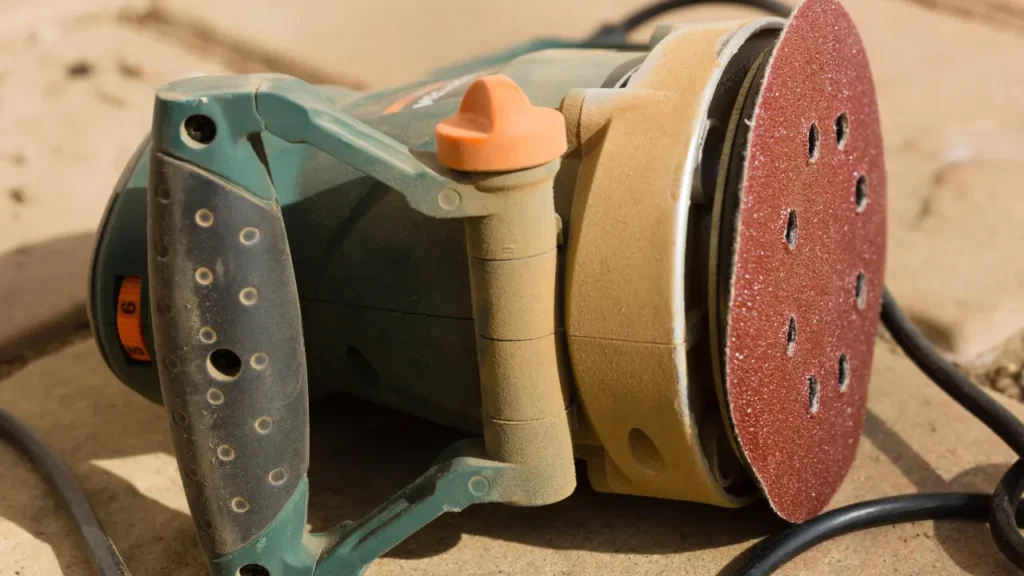
- Sanding: For very thin layers, you can sand the resin off. However, be cautious: sanding can alter the precision of a jig or the finish of the metal. Professionals often use 80 or 100 grit sandpaper to prep or clean surfaces, followed by mineral spirits to remove dust.
Removing Epoxy Resin from Aluminum Metal
Aluminum requires extra care because it is softer than steel and more prone to scratching. When removing epoxy resin from aluminum metal, avoid using heavy steel chisels that can gouge the surface. Instead, use a 40°C warm water bath or steam for 30 minutes to loosen the bond. Once softened, use a plastic scraper or a soft brass brush to remove the residue.
Pro Tips for a Flawless Finish
- Cleanup for Uncured Resin: If the epoxy is still wet, it is much easier to manage. Wipe away excess immediately with denatured alcohol or white vinegar.
- Safety First: Always work in a well-ventilated area. Wear nitrile gloves, safety goggles, and a face mask, as fumes from heat or strong solvents like NMP can be hazardous